The Investment Casting Process
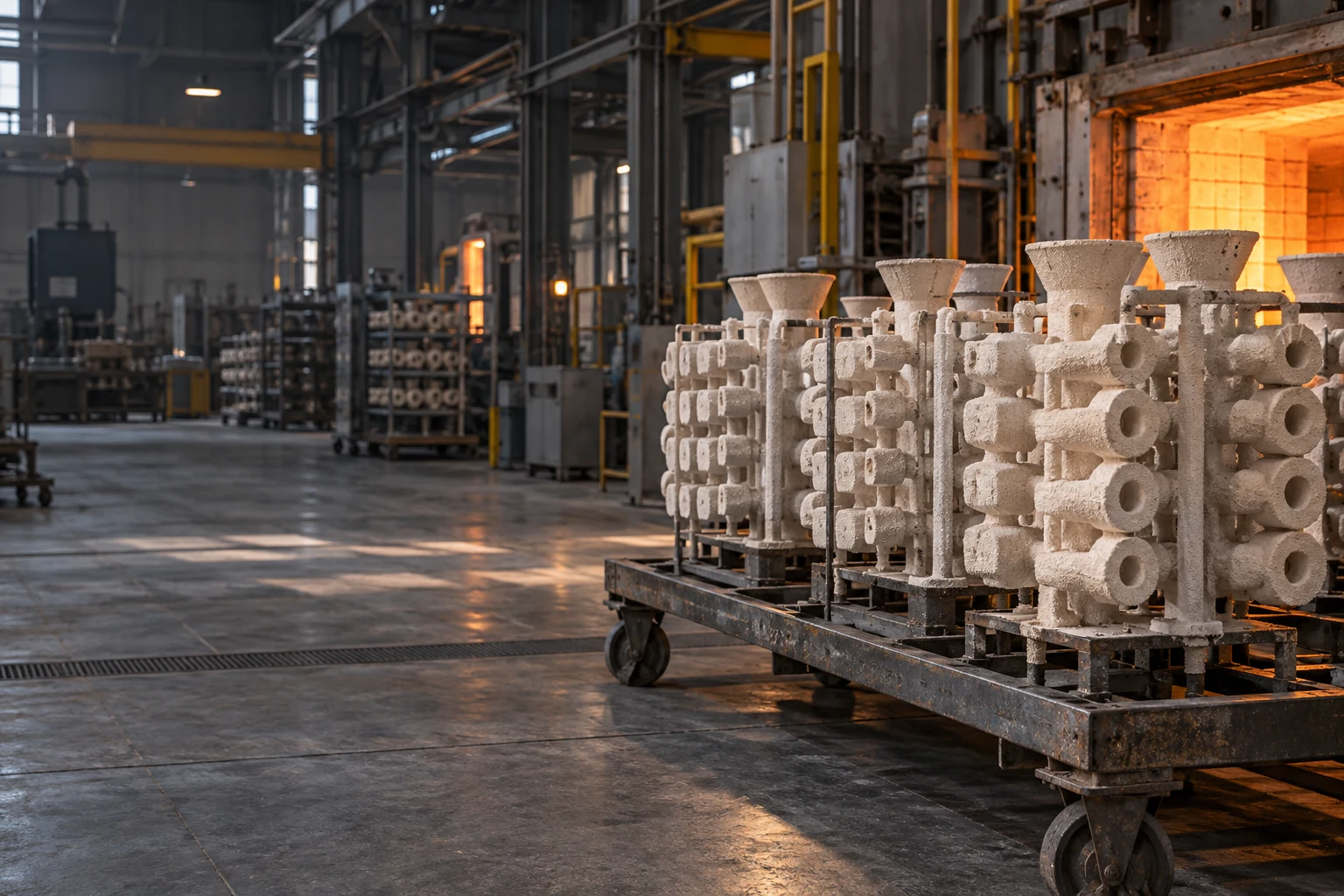
The investment casting process, also called lost-wax casting, uses an expendable pattern and a ceramic shell to form a metal component. This guide explains the main stages and the drawing requirements to discuss before tooling.
01 / Pattern & assembly
A wax pattern reproduces the component geometry with allowances appropriate to the process. Patterns can be assembled onto a runner system to create a casting tree.
02 / Shell & dewaxing
Successive ceramic layers form a shell around the wax assembly. After drying, the wax is removed and the shell is prepared for pouring.
03 / Pouring & finishing
Metal is poured into the prepared shell. After solidification and cooling, the ceramic is removed and parts are separated from the runner, then cleaned and finished as specified.
04 / Subsequent operations
The approved route may include heat treatment, machining and further finishing. Inspection should assess the component against the requirements agreed during quotation.
05 / Drawing review before tooling
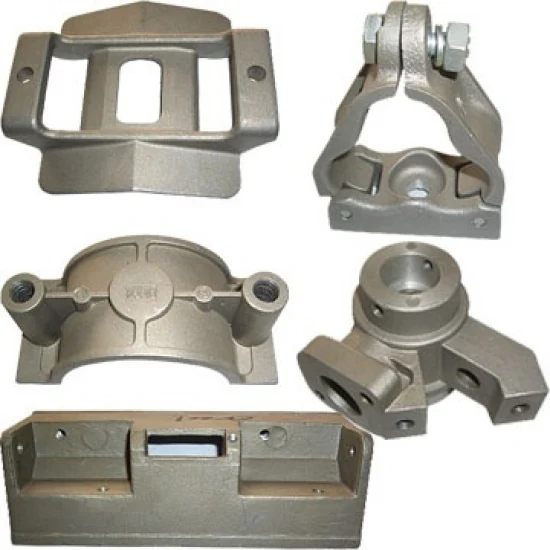
For a custom investment casting, mark the surfaces that must be machined and identify the datums used to measure the finished part. Discuss changes in wall thickness, internal passages and difficult-to-access features before committing to tooling. Avoid assuming that a general catalogue photograph establishes a production tolerance.
06 / Casting or machining?
Investment casting can reduce the amount of material removed when a part has complex geometry. Machining may still be necessary for sealing faces, threads, bores or other functional features. Compare the complete route, including tooling, alloy, quantity, finishing and inspection, rather than choosing a process from shape alone.
Frequently Asked Questions
What information influences the process choice?+
Geometry, alloy, wall sections, functional features, order quantity and required acceptance criteria all affect suitability.
Have a component project? Talk to our sales team.
Contact us →